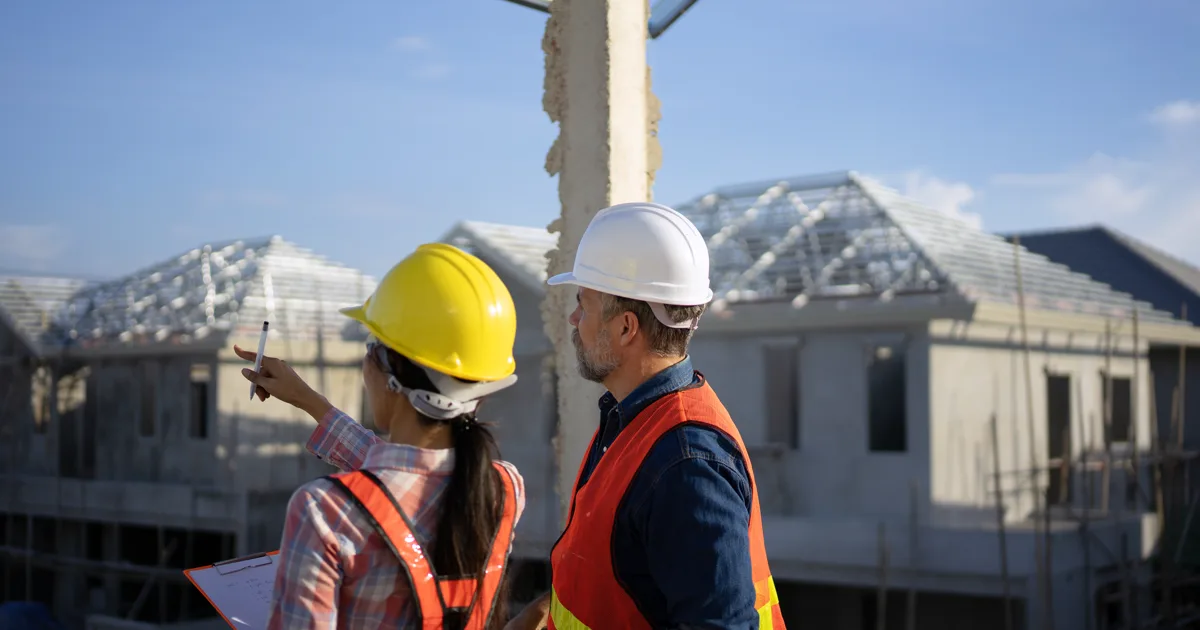
Why Near-Miss Reporting Matters (and How to Get Employees to Actually Do It)
A near miss can be easily ignored when there is no injury involved. However, a lucky escape can reveal equipment issues, poor processes or unsafe routines before someone gets hurt. A good reporting system can make reporting near misses a simple and efficient task.
Key Takeaways
- Near misses can act as valuable early warnings of dangers that may lead to future incidents.
- Employees are more likely to report near misses if the process is fast, non-disciplinary and followed by action.
- Near-miss data can improve risk assessments by showing where existing control measures may be ineffective or failing in practice.
- Digital tools can link reports, investigations, corrective actions and compliance processes.
- Most near misses are not reportable under RIDDOR, but some dangerous occurrences may be.
What Is Near-Miss Reporting?
Near-miss reporting means recording an event that caused no harm but had the potential to cause injury or ill health. HSE guidance recognises that near misses can reveal patterns and provide an early warning that something needs attention.
The number of reports is not the only measure of their value. The key question is: what do these reports reveal about how work is actually being carried out?
Why Are Near Misses Important?
These early warnings can help construction, manufacturing, logistics and facilities teams identify issues before they lead to potentially serious injuries or expensive disruptions.
Related Articles
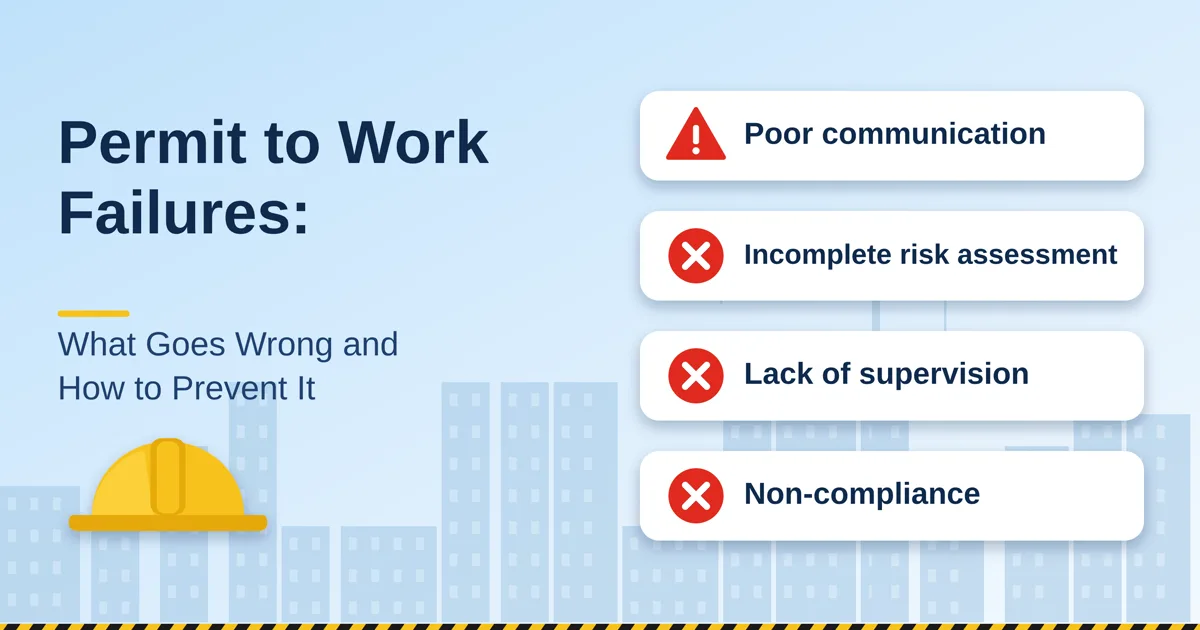
Permit to Work Failures: What Goes Wrong and How to Prevent It
Explore common permit to work failures, from poor communication to missing risk checks, and learn how stronger controls support safer work.
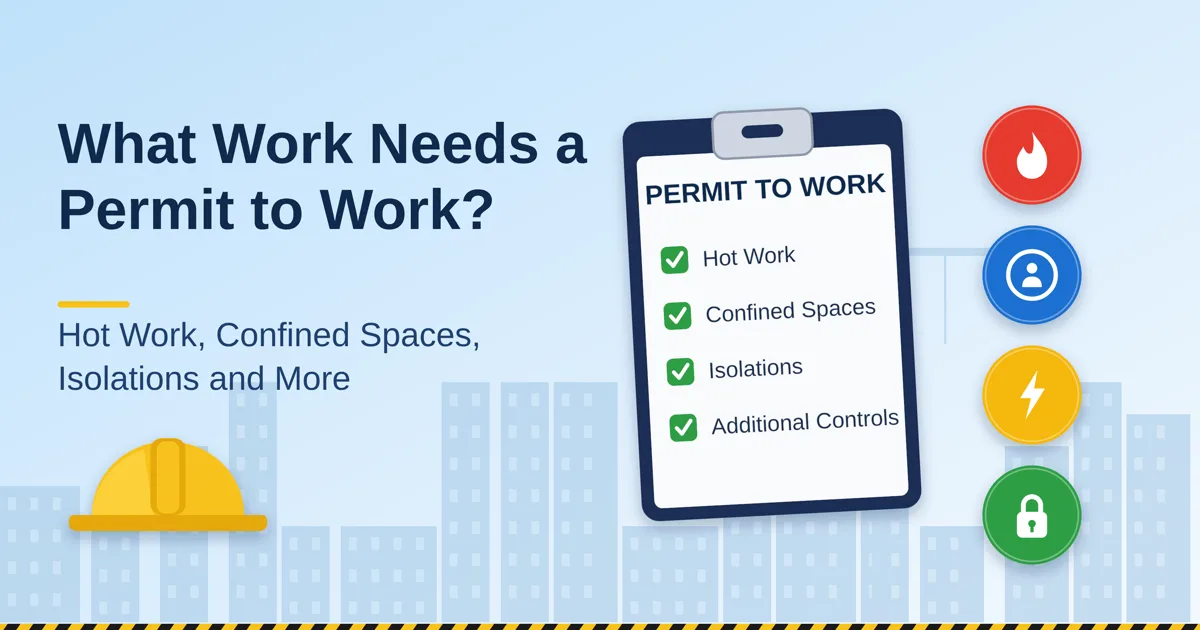
What Work Needs a Permit to Work? Hot Work, Confined Spaces, Isolations and More
Learn when a permit to work system is needed for hot work, confined spaces, isolations and other high-risk tasks.
Manufacturing Safety Software: How Can It Reduce Factory-Floor Incidents
Discover how manufacturing safety software helps reduce factory-floor incidents, manage hazards and improve workplace safety.