How to Run an Effective Accident Investigation: A Step-by-Step Process
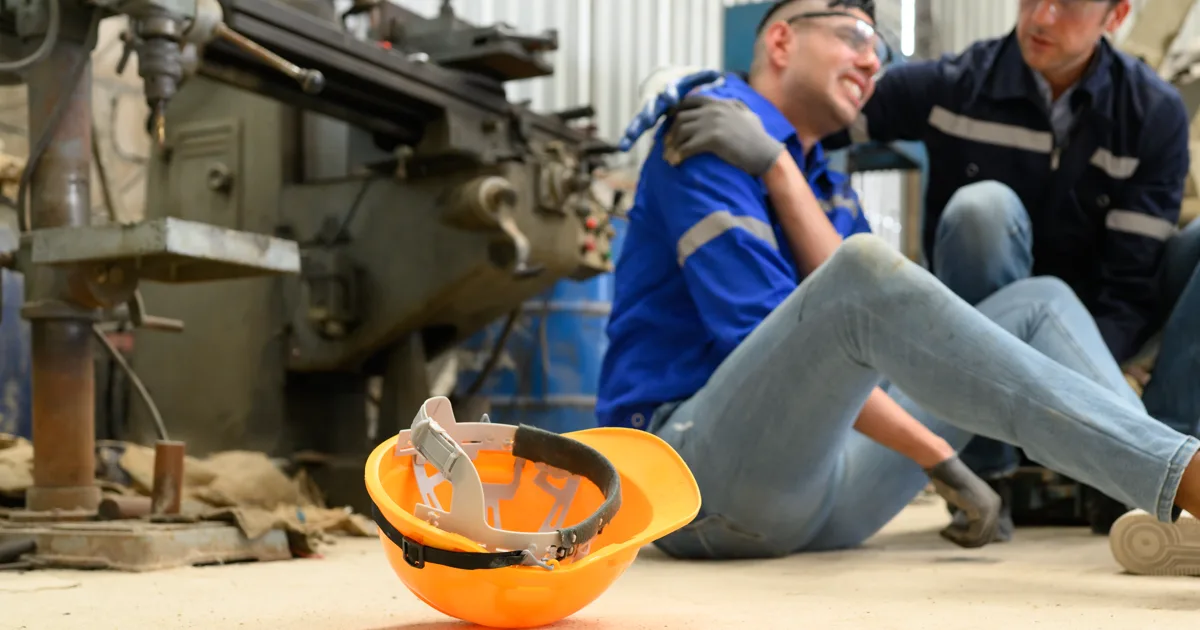
When an accident happens at work, the pressure to find out what went wrong can be immediate. Incident management software can help teams record the facts, organise evidence and keep investigations moving, but the process still depends on asking the right questions.
A good accident investigation is not about finding someone to blame. It is about understanding what happened, why it happened and what needs to change to prevent it from happening again.
What Is the Purpose of an Accident Investigation?
The main purpose is to identify the immediate causes and underlying factors behind an accident.
An employee slipping on a wet floor, for example, may seem like a simple incident. But was the floor wet because of a leak? Was there no warning sign? Had the issue been reported before? Was there a cleaning procedure that was not being followed?
The injury is the visible event. The investigation needs to look beneath the surface.
A well-managed investigation can help organisations:
- Prevent similar accidents from happening again
- Identify weaknesses in procedures and controls
- Improve workplace safety
- Support accurate incident reporting
- Maintain clear records for internal and regulatory requirements
Step 1: Make the Area Safe and Support Anyone Involved
Before beginning the investigation, deal with the immediate situation.
Give first aid or emergency assistance if necessary and make the area safe. If equipment, materials or environmental conditions could increase the risk, take suitable action to control it.
Do not disturb the scene unnecessarily.
People come first, but evidence can be lost easily. Where possible, preserve the scene once it is safe to do so.
Related Articles
Permit to Work Failures: What Goes Wrong and How to Prevent It
Explore common permit to work failures, from poor communication to missing risk checks, and learn how stronger controls support safer work.
What Work Needs a Permit to Work? Hot Work, Confined Spaces, Isolations and More
Learn when a permit to work system is needed for hot work, confined spaces, isolations and other high-risk tasks.

Manufacturing Safety Software: How Can It Reduce Factory-Floor Incidents
Discover how manufacturing safety software helps reduce factory-floor incidents, manage hazards and improve workplace safety.