
Building a Positive Safety Culture in Your Organisation
You can have the best safety policies, the most advanced technology, and the most comprehensive training programs—but none of it matters if your organization lacks a genuine safety culture. Culture is the invisible force that determines whether workers actually follow procedures, report hazards, and look out for each other. It’s the difference between checkbox compliance and truly safe workplaces.
In Great Britain in 2024/25, an estimated 1.9 million workers suffered from work-related ill health and 680,000 sustained a non-fatal injury at work. A further 126 workers were killed in work-related accidents in 2025/26 (HSE).
The HSE's guidance on safety culture outlines how leadership, communication, and worker involvement combine to create environments where safety is genuinely embedded — not just enforced.
What is Safety Culture?
Safety culture encompasses the shared values, beliefs, and behaviors regarding safety within an organization. It's visible in how decisions are made when safety conflicts with other priorities, whether people feel comfortable speaking up about concerns, how incidents are discussed—as learning opportunities or as witch hunts, and what happens when deadlines pressure safe work practices.
In organizations with strong safety cultures, working safely isn’t something imposed from above—it’s how things are naturally done. Safety becomes everyone’s responsibility (the Health and Safety at Work etc. Act 1974 places duties on both employers and employees), not just the safety manager’s job.
Leadership: Setting the Tone from the Top
Safety culture starts with leadership. If executives and managers don’t genuinely prioritize safety, workers won’t either—no matter what policies say. Leaders build safety culture by visibly participating in safety activities like site walks and audits, asking about safety in meetings and one-on-ones, allocating adequate resources for safety initiatives, responding constructively when problems are raised, and celebrating safety successes alongside operational achievements. For practical advice, see the HSE leadership guidance.
Actions speak louder than words. When production pressure mounts, does leadership compromise safety to meet deadlines? Workers notice, and it tells them what's really valued.
Psychological Safety: The Foundation of Speaking Up
A critical component of safety culture is psychological safety—the confidence that you won’t be punished or humiliated for speaking up about concerns, mistakes, or near misses. Work-related stress, depression or anxiety affected an estimated 964,000 workers in 2024/25 and accounted for 22.1 million working days lost (HSE). In psychologically safe environments, workers report hazards without fear of being labelled troublemakers, admit mistakes without expecting blame, ask questions without feeling stupid, and challenge unsafe practices regardless of who’s involved.
Building psychological safety requires conscious effort. Respond to reports with appreciation, not criticism. When incidents occur, focus on system improvements rather than individual blame. Encourage questions and reward people who speak up, even when it's uncomfortable.
From Compliance to Commitment
Organizations progress through stages of safety culture maturity. In pathological cultures, safety is a burden to be avoided. Reactive cultures respond to accidents but don't prevent them. Calculative cultures have systems and follow rules. Proactive cultures anticipate problems before they occur. Generative cultures—the ultimate goal—integrate safety so deeply that it's unconscious.
Moving up this ladder requires transforming safety from compliance obligation to personal commitment. This happens when workers understand why safety matters (not just that it's required), see themselves as capable of influencing safety outcomes, trust that raising concerns will lead to meaningful action, and feel recognized and valued for working safely.
Practical Steps to Build Safety Culture
Culture change isn’t abstract—it requires concrete actions. Start by engaging the workforce: conduct anonymous safety perception surveys, hold focus groups to understand current culture, involve workers in safety committees and decisions, and recognize and share stories of positive safety behaviors.
Communication is essential. Run regular toolbox talks on relevant safety topics, share near-miss reports and lessons learned (without names), make safety performance visible with dashboards and metrics, and explain the "why" behind safety rules, not just the "what".
Learning from Incidents and Near Misses
How an organization responds to incidents reveals its true culture. For more, see HSE’s guidance on learning organisations. In positive safety cultures, incidents trigger genuine investigation of root causes, not just proximate causes, open discussion of findings and improvements, implementation of systemic changes, not just retraining individuals, and recognition that people rarely intend to cause harm—the system should make doing the right thing easy.
Near misses are gold dust. They provide opportunities to learn without anyone getting hurt. HSE estimates that employers report only around half of RIDDOR-defined non-fatal injuries to employees. Organizations that encourage near-miss reporting and visibly act on them demonstrate that safety isn’t just about blame after accidents—it’s about continuous improvement.
Recognition and Reinforcement
What gets recognized gets repeated. Recognize and reward safe behaviors: workers who identify hazards, teams with strong safety records, individuals who stop work when conditions are unsafe, and innovation in safety improvements. Recognition doesn't have to be monetary. Public acknowledgment, personal thank-yous from leaders, and opportunities to share ideas all reinforce that safety matters.
Measuring Safety Culture
Culture is intangible, but you can measure indicators. Look at the ratio of near misses to incidents (higher is better—it means people are reporting), participation rates in safety initiatives, results from safety perception surveys, and time between hazard reports and resolution. Track trends over time. Improvements in these leading indicators predict reductions in lagging indicators like incident rates.
Culture is a Journey, Not a Destination
Building a positive safety culture takes time—typically years, not months. It requires sustained commitment from leadership, consistent messaging and action, patience as behaviors gradually shift, and willingness to keep improving rather than declaring victory.
Work-related ill health and injury caused an estimated 40.1 million working days lost in 2024/25 and cost Great Britain an estimated £22.9 billion in 2023/24 (HSE). The reward is worth it: fewer incidents, lower costs, better employee morale, enhanced reputation, and most importantly, the knowledge that your people are going home safe every day. That’s what a true safety culture delivers.
Frequently Asked Questions
What is safety culture?
Safety culture is the shared values, beliefs and behaviours about safety within an organisation. It shows in how decisions are made when safety conflicts with other priorities, whether people feel able to speak up, and how incidents are discussed: as learning opportunities or as blame.
Why does leadership matter for safety culture?
Workers follow what leaders do, not what policies say. Leaders build culture by joining site walks and audits, asking about safety in meetings, resourcing safety initiatives, responding constructively when problems are raised and not compromising safety under production pressure.
What is psychological safety in the workplace?
Psychological safety is the confidence that you will not be punished or humiliated for raising concerns, admitting mistakes or reporting near misses. It lets workers report hazards, ask questions and challenge unsafe practices openly, and it is built by responding to reports with appreciation rather than blame.
What are the stages of safety culture maturity?
Organisations typically move from pathological (safety is a burden) to reactive (responding after accidents), calculative (systems and rules), proactive (anticipating problems) and finally generative, where safety is so embedded that it happens naturally.
How can you measure safety culture?
Track leading indicators such as the ratio of near misses reported to incidents, participation in safety initiatives, safety perception survey results and the time taken to resolve reported hazards. Improvements in these indicators tend to precede reductions in incident rates.
Related Articles
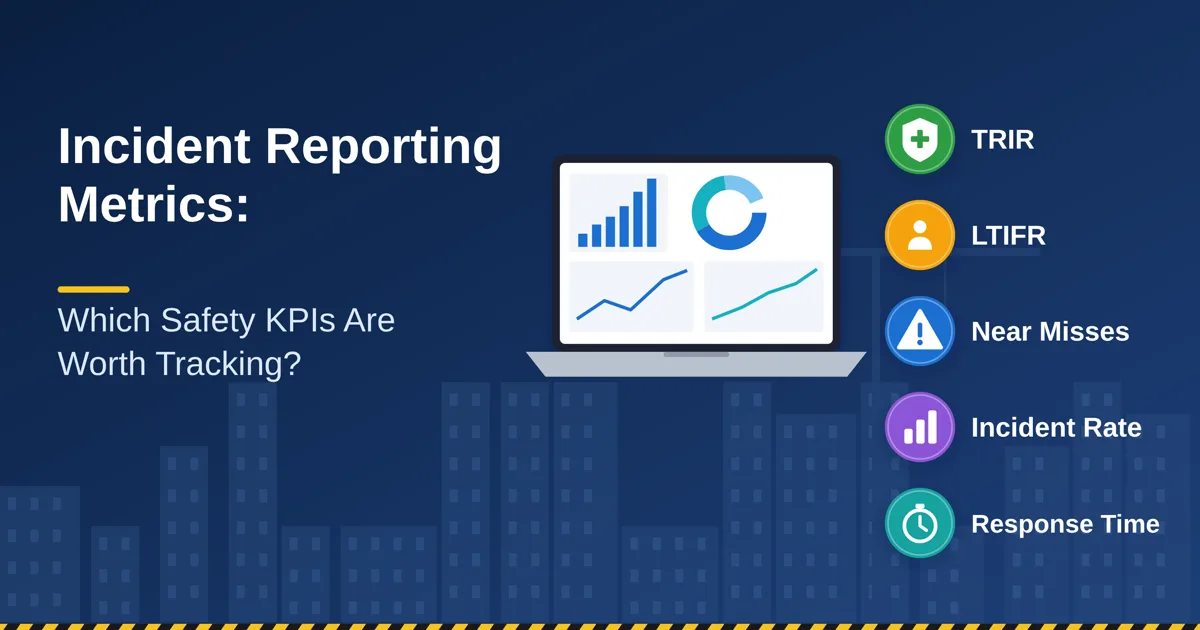
Incident Reporting Metrics: Which Safety KPIs Are Worth Tracking?
Discover which safety KPIs matter, from near misses to incident rates, and how an incident reporting system helps track trends and improve safety.
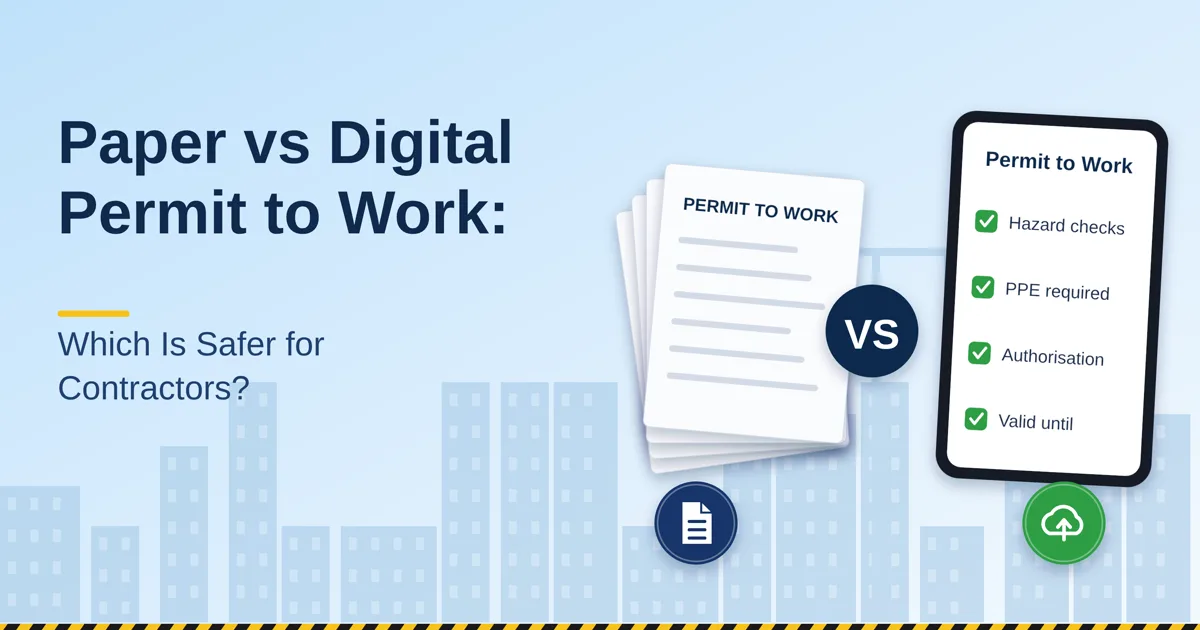
Paper vs Digital Permit to Work: Which Is Safer for Contractors?
Compare paper permits with digital permit to work software and see how digital workflows can improve contractor safety, tracking and compliance.
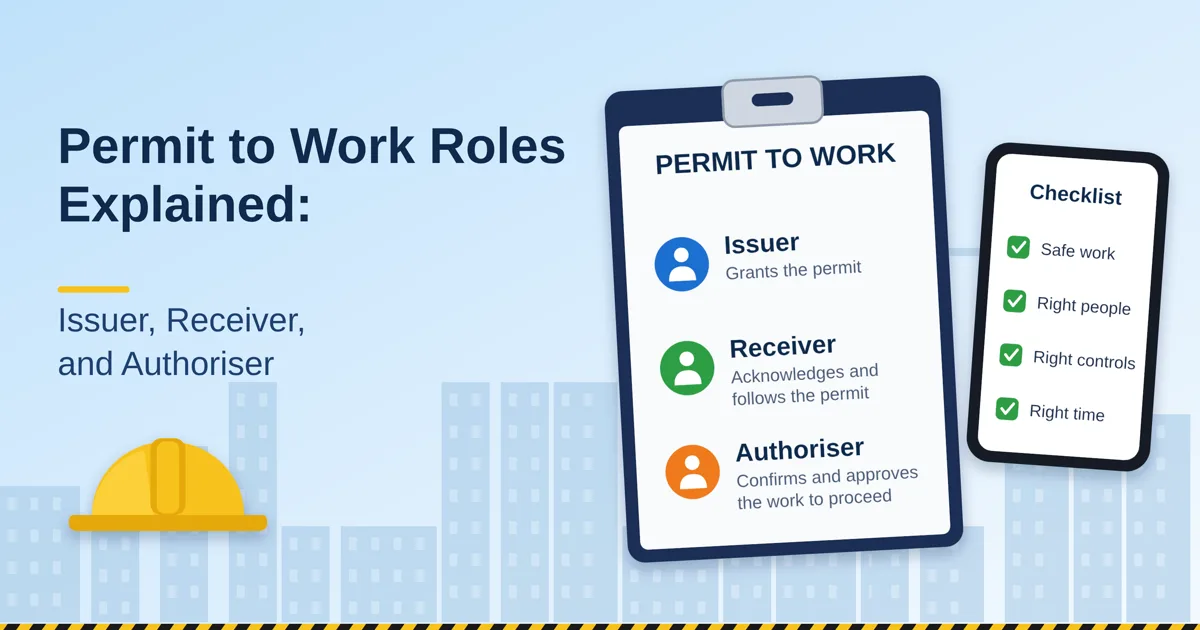
Permit to Work Roles Explained: Issuer, Receiver, and Authoriser
Understand issuer, receiver and authoriser duties in a permit to work system to improve control, communication and workplace safety.